
Your Business Has 4 Months Left: 7 Financial Moves to Make Before Year-End
There is still enough time to change the outcome of the year, but not enough time to ignore what the numbers are telling you. Before you head into the final months of 2026, take a step back and ask: Are we actually on track for the year we planned? Here are seven financial areas worth reviewing now.
Compare YTD Revenue to Your 2026 Goal
Let’s start with the simplest question: How much have you made compared to what you expected to make? You’ve heard history repeats itself right? For this reason we start with reviewing our YTD revenue first. Knowing what your business has brought in for the year is the best way to get a grasp on your finances. You can see this by month if you track these metrics, which you should be doing. From there you want to compare your YTD revenue to your revenue goal. To find your goal, you would of course, use the prior years to estimate what your future revenue could be. With these numbers, you can now determine whether or not you are on track for your goals. The goal isn’t to panic over a number. It’s to know whether you need to accelerate, adjust, or stay the course.
Review Your Gross & Net Profit Margins
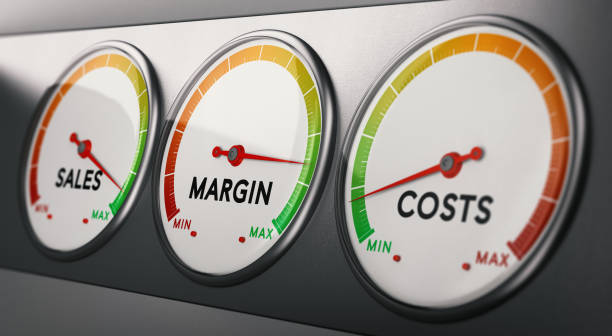
Revenue can look great while profitability quietly deteriorates. Accounting can be confusing. You make money when customers pay you, but it doesn’t always show up that way. Reviewing your margins regularly is important to prevent any financial confusion. When you look at your books, in particular you want to look at gross profit margin and net profit margin. Gross profit margin is what profit you made after accounting for the cost of goods sold. While net profit margin measures how much of each dollar is actually profit, often depicted as a percentage on your bank statement. These two items on your balance sheet show you how much money your business brought in and what profit is yours. Looking at your balance sheet also allows you the time to see changes from the beginning of the year. Thus also allowing you to know which of your products or services create the most profit for your business. Monthly reviews may be too often and we all get busy. That’s why you would hire a bookkeeper apt enough to not only send you these reports, but also be able to explain these facts and figures to you. You want to continue to understand the backend of your business as you grow. More revenue doesn’t necessarily mean more money in your pocket.
Find Your Biggest Profit Leaks
Now we look for the expenses that are eating into your profitability. Whether it be a car leak or water leak, they’re never fun to deal with. This is when we start asking questions like, ‘What expenses have increased?’ Insurance, material costs, shipping and utility costs can always fluctuate. This is the time to check for unused subscriptions or services you haven’t used in a while. Have vendor costs changed? Are there operational inefficiencies costing you money? Sometimes you have to step back and even ask yourself whether you’re spending money because you need to, or simply because you’ve always done it? Yes, it’s a lot of questions, though necessary questions. These are the questions you have to ask in order to understand where, if anyplace you are losing money. The quicker you figure out the answers to these questions the quicker you can patch up any holes your business may have. You don’t need to slash everything. You need to identify where the money is going without producing enough value in return.
Review Outstanding Receivables
Money you’ve earned isn’t particularly useful while it’s sitting in someone else’s bank account. Although you sent the invoice, you haven’t made any money until the money leaves their bank account and clears in yours. Outstanding invoices, aging receivables, and late-paying customers can cause quite a rift in your revenue. The invoices are merely reminders until clients actually pay them in full. Imagine you send two $1000 invoices to two different clients. You get an immediate payout from Client A. Your balance sheet will remain off until Client B pays their invoice. Now imagine you planned to distribute bonuses with those two invoices. You can’t commit to giving everyone their bonus until that second client pays their invoice. It’s important to understand your clients payment patterns. Understand which clients take their time to pay and which ones fulfill their invoices immediately. Also keeping track of your own collection process helps you keep yourself accountable. Your system of sending invoices has to include having a reminder protocol as well. Sometimes people get busy, it’s up to you to remind them they have outstanding balances with you. With these processes in place you not only know what outstanding invoices you have, you can then determine what can realistically be collected before year-end. Cash flow problems aren’t always caused by a lack of sales. Sometimes the problem is getting paid.

Build a 90-Day Cash-Flow Forecast
The future is just as important as the past. You have your numbers in order. You plugged your profit leaks and have reminders for all those outstanding receivables. Now you can look ahead. With your finances in a stable place, you can create a 90-day forecast for your cash flow. With the next 90 days in mind, create a plan for how you will organize the money that comes in and ensure that nothing else will cause it to leak going forward. In this forecast you want to account for the following items: expected revenue from future business, payroll, vendor payments, taxes, any debt payments, possible major purchases, and any other significant expenses that may come up. Think about holiday dinners and bonuses. With this forecast you give yourself a plan for financial success. This gives you a clearer picture of whether you’ll have enough cash to operate comfortably through the end of the year.
Review Payroll & Staffing Costs
For many businesses, payroll is one of the largest expenses. Thus making it an important aspect in your end of year planning. Go back and review your total labor costs, employee overtime and benefits. In addition, you want to review contractor costs. Revenue per employee and upcoming hiring needs. You know best if you need to bring in more help as the end of the year gets closer. Understanding these costs now is best, especially when you think about creating your 90-day forecast. Ask the bigger question: Is your current staffing structure supporting growth, or simply increasing overhead? This is also a good time to determine whether you actually need another hire before year-end.

Create Your September–December Financial Game Plan
Finally, let’s turn the numbers into decisions. Set specific goals for the final four months around. Base your goals around revenue, profit, cash reserves, expense control, collections, staffing and major investments. The most important thing is that you know exactly what money is coming in and going out within the next 90 days. This prevents surprises, which then prevent upsets later on or in the upcoming year. Also, make sure that anyone who has any control over these decisions knows and understands your plan. You don’t want to cause confusion while trying to organize your finances. Don’t just create a year-end goal. Create monthly checkpoints so you know whether you’re actually getting there. By December, your financial options become much narrower. The present gives you something valuable, time. You still have four months to increase revenue, control expenses, improve collections, adjust staffing, and make smarter financial decisions. The question isn’t simply “How did we do this year?”, it’s “What can we still change before the year is over?” That is where good financial visibility becomes a good business strategy.
You still have time to make meaningful financial changes before year-end—but only if you know what your numbers are telling you. At Atlanta Business Services, we help business owners understand their financials, identify potential issues, and make informed decisions with confidence. Ready to get a clearer picture of where your business stands? Book a consultation with our team today.